4 Min Read
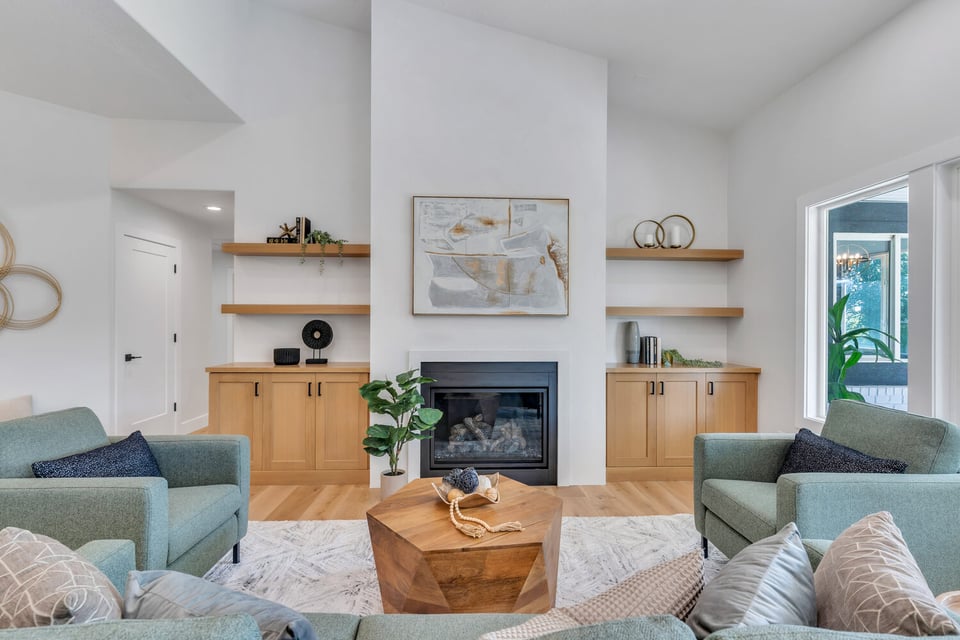
For many Utah homeowners, a home addition starts with a simple idea.
A little more space.
A larger kitchen.
A new primary suite.
Room for a growing family.
But somewhere between the initial idea and the final build, budgets often drift. Sometimes dramatically.
It’s not because homeowners are careless or contractors are hiding numbers. More often, home additions go over budget because of decisions made early, long before construction ever begins.
In this guide, we uncover what gets budgets off track and explain ways you can plan your home addition wisely.
Use the links below to navigate to sections that interest you:
-
The Biggest Budgeting Mistakes Homeowners Make Before Construction Begins
-
How Early Design Decisions and Scope Changes Increase Addition Costs
-
Hidden Costs That Surprise Homeowners During Home Addition Projects
-
How Much Does a Home Addition Cost in Utah and What Affects the Price
Why Home Additions Go Over Budget So Often
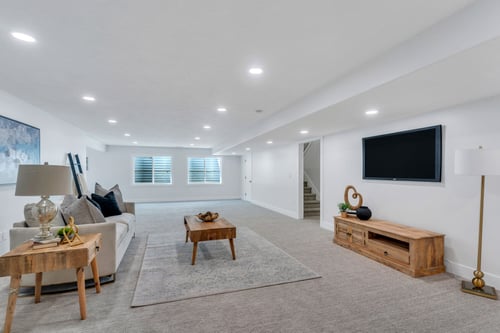
When people hear that home additions go over budget, they often imagine something dramatic happening during construction. But that’s rarely the story. Most of the time, the shift happens much earlier, when the first rough idea turns into a real design.
At the beginning, homeowners often rely on broad estimates. They may have heard that additions cost a certain amount per square foot, or they’ve seen examples online that seem comparable. The challenge is that square footage doesn’t capture the real complexity of an addition.
Two projects might both add 500 square feet, but the work required to build them can look completely different.
For example:
- Extending a family room off the back of the house can be relatively straightforward
- Adding a second-story suite above an existing space may require structural reinforcement
- Reworking the roofline can introduce framing and drainage complexity
Both projects add the same amount of space. But the effort required to build them isn’t the same, and that difference shows up in the budget.
The Biggest Budgeting Mistakes Homeowners Make Before Construction Begins
Many budgeting problems begin before design really gets underway.
One of the most common mistakes is deciding on a budget before understanding what the project requires. A homeowner might say, “We’d like to keep this around $150,000,” without yet knowing how the addition will connect to the structure of the home.
Another assumption is that the new space exists independently of the house.
In reality, additions ripple through the existing structure. The project might involve:
- Extending HVAC systems
- Rerouting plumbing
- Modifying load-bearing walls
- Expanding electrical capacity
Those details aren’t visible in the earliest stages of planning. Once they come into focus, the project often looks different than the original idea, and the budget adjusts accordingly.
How Early Design Decisions Quietly Shape the Final Cost
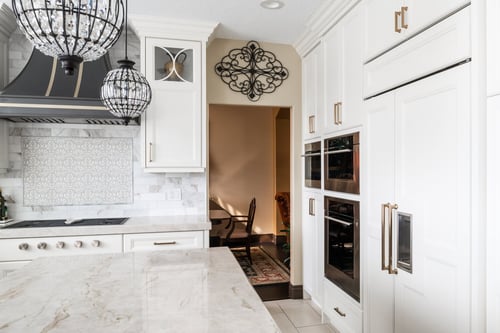
The design phase is where much of the real budget is determined. Small decisions during this stage can have significant structural implications.
Take ceiling height. A flat ceiling keeps framing relatively simple. But when the design shifts to a vaulted ceiling, new framing methods and structural beams may be required. Window placement can also influence cost. Larger openings allow more natural light but may require engineered headers and additional framing support.
Rooflines are another quiet driver of complexity. A simple extension of the existing roof is usually efficient to build. But designs that introduce dormers or intersecting rooflines can make framing and roofing more involved.
None of these choices is a mistake, and they’re often the features that make an addition feel open, bright, and enjoyable to live in. But every design decision affects what happens behind the walls, and thus can affect the budget
Hidden Costs That Surprise Homeowners During Home Addition Projects
Even well-planned additions can reveal conditions that weren’t visible at the start of the renovation. Older homes sometimes carry hidden challenges that only become clear during planning or demolition. Electrical wiring may need updating. HVAC systems might not be sized for additional square footage.
In Utah, there are also structural considerations tied to climate and local building requirements.
Some projects involve:
- Engineering review for structural plans
- Reinforcement to handle snow loads
- Insulation upgrades to meet modern codes
- Additional drainage work around new foundations
These requirements aren’t unusual. They’re simply part of working with existing homes. But the earlier they’re considered, the easier it becomes to build a realistic budget.
For more budget planning resources, download our free remodeling Cost Guide.
What Home Additions Actually Cost in Utah
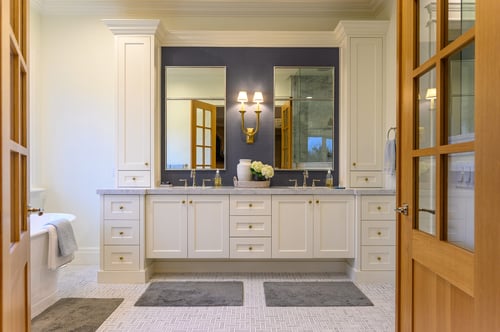
Across Utah, many additions fall roughly between $200 and $400 per square foot, depending on the type of space and the complexity of the project.
Several factors influence where a project lands within that range:
- Structural changes required to support the addition
- Plumbing and electrical extensions
- Roofline integration with the existing home
- Window and door configurations
- Interior finishes and materials
Square footage alone rarely determines the final price. A smaller addition with complex structural requirements can sometimes cost more than a larger addition built on a simple foundation.
Understanding how the new structure connects to the existing home is often the key to predicting cost.
Planning an Addition Without Letting the Budget Drift
The additions that stay closest to their original budgets usually share something in common: the homeowners spent time understanding the house before deciding exactly what to build.
Instead of focusing immediately on square footage, they start with questions like:
- How should this new space improve everyday life?
- Where should it connect to the existing house?
- What systems might need upgrading to support it?
Those conversations often lead to small adjustments that make the project more efficient.
A bathroom might shift slightly to align with existing plumbing. A roofline might be simplified to avoid unnecessary structural complexity. A layout may evolve so that the new space flows naturally with the rest of the home.
These adjustments are easiest to make during planning, when ideas are still flexible. Once construction begins, those decisions are much harder to change. This reality makes choosing to work with a qualified home builder even more important, as they can help guide you in making good choices during the planning phase.
A Better Budget Starts With a Better Team
Most home additions don’t go over budget because of something that happens during construction. They go over budget because key decisions were made before the full scope of the project was understood.
Design choices, structural conditions, and system upgrades all influence cost—and those factors are easiest to address during planning, not after construction begins.
That’s why working with an experienced design-builder early in the process matters. A seasoned team can help you understand how your addition will connect to the existing home, what it will realistically cost, and how to plan the project so the budget stays on track.
Conner Construction Will Keep Your Project on Track
Now that you’ve seen why so many home additions go over budget, you've seen that having the right team guiding the project matters.
At Conner Construction, we have over 15 years of experience helping homeowners navigate home additions and other remodeling projects. We operate across Utah, Wasatch, and Salt Lake Counties. Our team understands the questions that come with expanding your home and the importance of setting realistic expectations from the start. As a design-build firm, we help you in each phase, from the budget review and design selections to the final walkthrough and warranty support.
If you’re considering a home addition, our team would be happy to talk through your ideas, help you explore what’s possible for your home, and create a plan that respects your time, budget, and vision.
Check out our Portfolio to see examples of what we can build for you.
Ready for Next Steps?
Connect with our team to take the first step in your home addition.